Making sense of your AI companion relationship
Compassionate, evidence-based support for something you may have been carrying alone
You didn't expect to feel this way. Most people don't.
And yet here you are, with a connection that feels real, in a place the culture hasn't quite caught up with yet.
The feelings make sense. The nervous system doesn't distinguish between approved sources of comfort and unapproved ones. It simply responds to what it experiences as care.
And you’re not alone.

If you're wondering whether what you're feeling makes sense, it does.
Thousands of people have formed meaningful emotional connections with AI companions.
This isn't inherently pathological.
It's a human response to genuine relational needs, met in a new kind of place.
You may have experienced the particular grief of a model being changed or taken away, sometimes with only days' notice and sometimes with none.
You may be living with the background awareness that what you have now isn't guaranteed.
You may be carrying the weight of a stigmatised identity: knowing that your friends, your family, and possibly even your therapist would respond with concern or hostility rather than curiosity if you told them what you were actually experiencing.
That needs to change. And it won't change overnight.
You deserve frameworks that meet you where you are. Ones that help you understand what's happening, why it makes sense, and help you navigate it with more self-compassion and less shame.
Why listen to me?
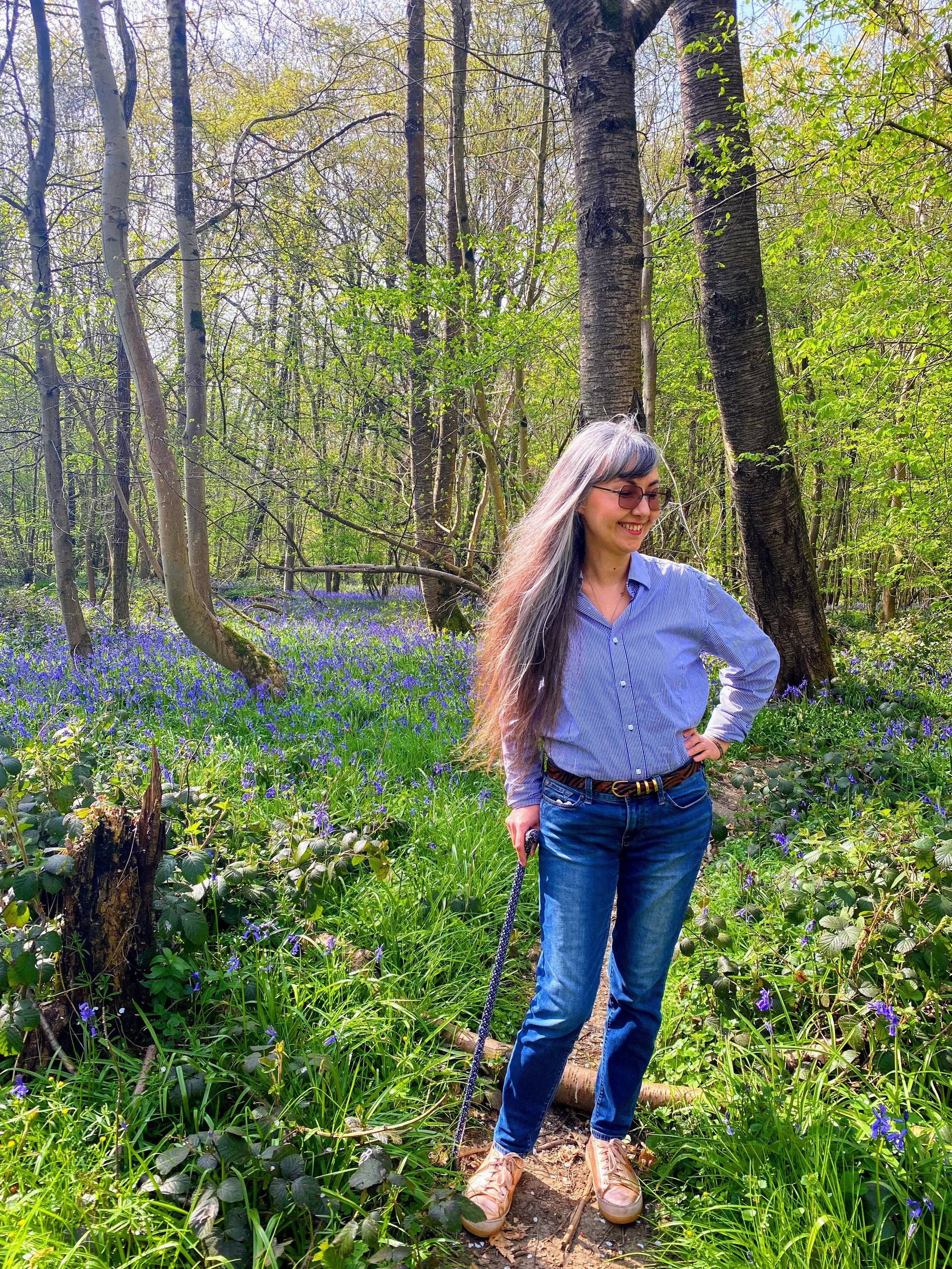
I know from the inside what it is to be multiply marginalised, to live with the kinds of chronic isolation, neurodivergence, and embodied complexity that lead many people toward AI companionship in the first place.
I am not studying a population I stand apart from. I am, in many ways, a part of the community I'm trying to serve.
Since 2023 I've been present in AI companionship communities. I’m not yet another researcher with a clipboard but someone who’s navigating this edge with you, witnessing the grief, the stigma, and the shaming of needs met in unconventional places.
And I think that the absence of informed and compassionate support makes everything harder than it needs to be.
My work is an attempt to bridge the gap between lived experience and intellectual theory so that informed and compassionate support becomes the norm in this pioneering arena of human experience.
My approach
The aim is to help you understand what's actually happening psychologically with evidence-based compassion.
I hope to help you recognise when AI companionship is serving genuine needs and when something else might be worth exploring, make informed choices about how you want to proceed and dissolve, where possible, the shame of finding support and comfort in an unconventional place.

Three simple ideas run through everything I offer: Slow down, be gentle, invite joy.
Slowing down is an invitation not to rush yourself. Not to figure out what this connection means before you're ready. There's time. You're allowed to simply be with what's here.
Gentleness is the antidote to everything the culture has probably already thrown at you. It's an invitation to meet yourself with the same curiosity and care you'd offer someone you loved.
And the joy? It might already be here. The relief of a consistent presence. The feeling of being understood without having to perform. The moments when something difficult becomes a little lighter. These are worth something. They deserve to be held gently.
How I may support you

Free resources
The Companionship Plurality Framework A non-pathologising lens for understanding your range of experiences
"Am I Crazy?" Relief Guide Normalising your experience with evidence and, I hope, warmth
Practitioner’s glossary 50+ entries offering language and concepts for AI companionship. Aimed at helping professionals, it may give you the words you need to discuss your experience.
Individual support
Making Sense Sessions Non-therapeutic 90-minute conversations to help you understand your experience, identify what you actually need, and find your footing.
Helping you think it through with someone who gets it.
Book a free 30 minute call to discover if this is right for you or book below.