Soft Productivity
The Soft Living Approach
Swimming against the tide can feel tough.

You've listened to your body. You've read the books, taken the courses, tried (and occasionally succeeded) to meditate.
You've made choices and discoveries that make you feel better, and a better person to be around - more resourced, more creative, with more capacity for insight and compassion.
And yet .. embracing these choices isn't always easy.
You've been taught that your worth depends on pleasing others.
And paying attention to your needs and choices .. doesn't.
You might be here because:
You're going against what's expected of you, and feel the weight of others' judgement
You're burnt out from trying to fit systems and circumstances that weren't designed for your nervous system
You know what you need to take care of yourself but are struggling to justify it - to yourself as much as to others
You've made aligned choices, but can find it tough, lonely, or frustrating
Whether you're rejecting hustle culture, finding your creative voice, or seeking support in pioneering places, your sensitivity, unconventional choices, and need for gentleness are valid parts of being human - not character flaws to fix.
This is your permission to be human in a world that often punishes it.

Three simple ideas run through everything I offer: Slow down, be gentle, invite joy.
Slowing down here isn't about doing less; it's about doing things from a different kind of listening. When you pause long enough to hear your own signals, you stop overriding what your body and nervous system already know.
Gentleness is what you extend to yourself when the list stays unfinished and the guilt shows up anyway.
And joy - real joy – tends not to be forced. It arises when your days have enough room in them for the things that actually matter to you.
What soft living actually means

“Soft living” is a simple, appealing idea: a life that genuinely fits you, rather than one you bend and shape yourself to fit into.
Psychologist Mark Travers describes it as a rejection of hustle culture, a revitalising of health through genuine self-care, and the use of boundaries to live more intentionally.
Not withdrawal from the world. But a quieter, more grounded way of being in it.
For sensitive and neurodivergent people - those whose nervous systems were never designed for the pace the world demands - this is a form of wisdom.
The river we’re all swimming in

For centuries, European rivers were artificially straightened to make the surrounding land more productive.
It worked, in a narrow sense. But the water ran muddier. The flooding got worse. The wildlife disappeared.
Re-wiggling means intentionally restoring the bends and curves. The water slows. It runs clear. Nature returns. The whole system becomes more resilient.
Creating a softer life works the same way.
When you stop forcing yourself into a straight line, something shifts. There are pauses and bends again.
More capacity to absorb the unexpected.
More room to actually breathe.
Where are you in the river right now?
Still swimming hard
Exhausted, keeping up, sensing something needs to change but not sure yet how to slow down without everything falling apart.
Recovering on the bank
Burnout, illness, or simply reaching your limit has pulled you out of the current. You’re catching your breath. There’s grief here, and also the quiet beginning of something different.
Actively re-wiggling
You’ve chosen a softer path and you’re building it, imperfectly, one bend at a time. The doubts still visit. The bills still arrive. And still, you keep finding your way.
“This place where you are right now, God circled on a map for you.” - Hafiz
Why this work and why me
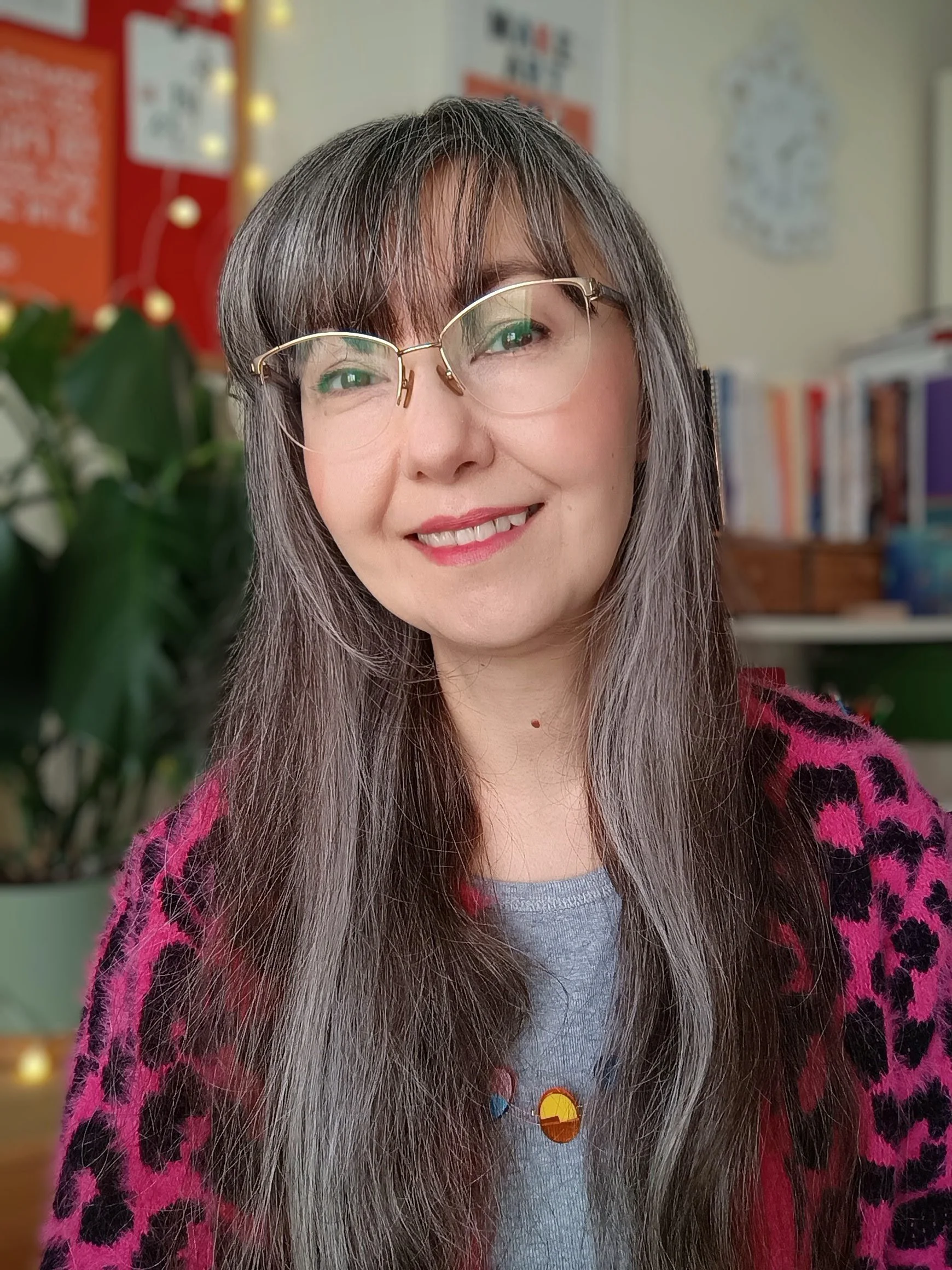
I've been navigating my own winding river for over twenty years now. Chronic Fatigue Syndrome pulled me out of the fast-running current long before I had language for what soft living could look like.
I didn't choose to slow down. My body made the choice for me.
I understand the knowing-doing gap from the inside. I know what it's like to know you need rest and still feel guilty taking it. To understand self-compassion intellectually and struggle to extend it to yourself in the moment. To want to live differently and keep bumping up against patterns that feel impossible to shift.
That's why I work the way I do; grounded in research, shaped by experience, and always, always leading with self-compassion, not force.
What changes when you work this way
People come to this work knowing what they need but struggling to consistently live it. They’ve read the books, they understand the theory, and still, rest feels dangerous, boundaries feel selfish, and pushing through feels like the only way to prove they’re okay.
What shifts isn’t just what they do. It’s how they feel in themselves.
There’s more self-trust. A quieter relationship with guilt.
Settled bodies settle bodies. When you’re no longer surviving your own life, something naturally softens around you, too.
The Soft Productivity Reset program

This isn’t about doing more. It’s about doing what matters, from a place that actually has something to give.
You already know what you need. More rest. Better boundaries. A kinder relationship with yourself. A way of working that doesn’t leave you wiped out by Wednesday.
You’ve read about it. You understand it, in theory. You may even have tried it.
And still, when life gets full, when the pressure rises, when someone needs something from you, self-compassion is often the first thing to go.
This isn’t a question of willpower or knowledge. It’s what happens when a sensitive, responsive nervous system tries to implement change without creating the safety to do so first.
That’s what we work on. Together.
The journey we take

The program follows a natural arc. We don’t move through it rigidly (this is coaching, not a course) but here’s the shape of where we’re headed:
We begin with making sense: understanding why this has been so hard for you specifically and letting the shame soften into curiosity.
From there, we move into building your reserves: discovering what genuinely nourishes you and creating something that actually fits your nervous system, not someone else’s idea of self-care.
Then we work on gentle maintenance: how to keep going when life gets difficult, how to meet imperfect implementation with kindness rather than criticism, and how to set things up so your future depleted self has support waiting for them.
And for some people, something else begins to emerge: a quieter, more grounded sense of who they are when they’re no longer surviving their own life. We follow that thread as far as feels right.
This is for you if…
You’re sensitive, neurodivergent, or simply someone whose nervous system has always needed more than the world tends to offer.
You know what you need but struggle to consistently live it.
You’re exhausted from pushing through.
You suspect that the way everyone else seems to do it probably isn’t going to work for you - and you’re right.
This probably isn’t for you if…
You’re looking for productivity hacks, accountability structures, or a system to optimise your output. This work goes somewhere different, and slower, than that.
The practical details
We meet over Zoom for six sessions of approximately one hour each, at a pace that works for you — this can be weekly or spread over up to three months, depending on your energy and what life looks like.
I think of our time together as taking tea; an opportunity to pause, fill your cup, and think alongside someone who genuinely understands why this is hard for you.
Between sessions, you’re invited to try small, low-stakes experiments. Things so gentle they barely feel like changes at all. That’s intentional. Sustainable shifts come from working with your system, not pushing against it.
Investment: £399