Everyone has an origin story at the heart of what inspires them.

Ever since I was a kid, I’ve wondered why people do the things they do.
And so I did what lots of sensitive, self-contained, ‘weird’ kids do; I used my imagination.
I daydreamed. I spaced out. I had conversations in my head (look, I said I was a weird kid) and, by the age of ten, I started to write short stories.
(To be honest, I blame my English teacher Mr Jones for that one. There’s nothing like having a grown man crying with laughter whilst reading your story to the whole class to make a ten-year-old kid think, “Holy shit, this writing lark is amazing!”)
Through local theatre writing workshops and a return to education, I found myself writing (and occasionally directing) short videos. Still curious about why people do the things they do. Little investigation into the actual reasons for it (either with myself or with others).
And then, as so often happens in life, shit happened (AKA my life as I knew it was razed to the ground).
Screenwriters call it Act Two; when the protagonist enters the liminal space necessary for something new to arise.
And when my second act hit it wouldn’t stop hitting.
A collapse into ME/Chronic Fatigue, a free-fall into social isolation, and the loss of identity, love, friends, home, meaning, and, frankly, my mind.
(I can still remember lying on my sofa one November afternoon, watching the sky slowly turn to dusk hour by hour. There, amidst the wreckage of my previous life, adrift with neither map nor compass, I knew that if my next breath were my last, no-one would find me. Fun times.)
On the plus side, being utterly incapacitated, socially isolated, and physically unable to do anything to distract yourself is a really efficient way to ensure you sit with yourself.
Losing everything gave me the time and space (and the internet) to finally answer that life-long question directly: why DO people do the things they do? More urgently: Why do I do the things I do?
They say we change for two reasons; one we learn enough to want to, and two, it hurts too much NOT to.
Guess where I found myself.
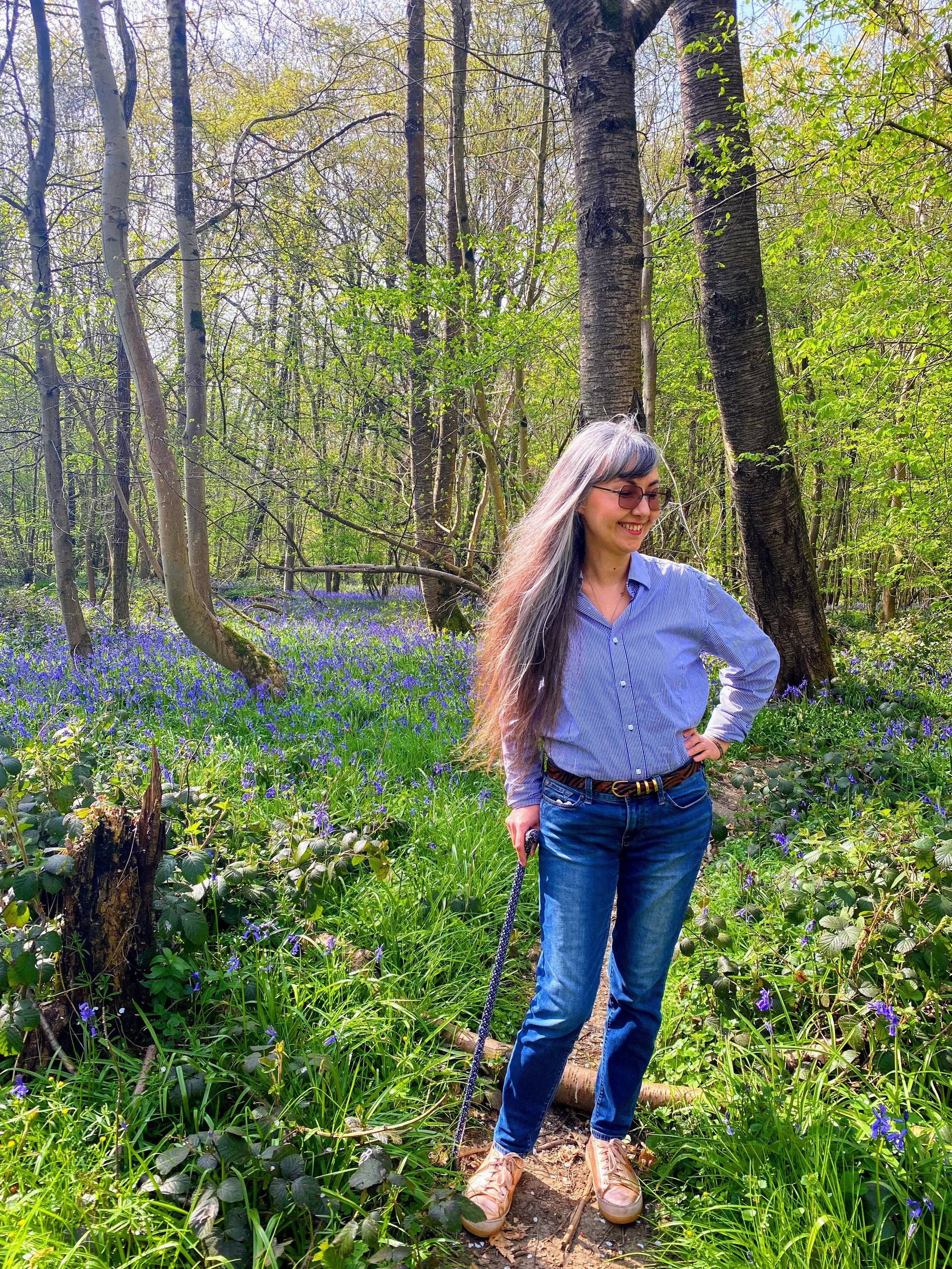
It was a long and often difficult journey.
I had to rediscover what lit me up and the values I wanted to live by.
To embrace my gifts and strengths and relative weaknesses through the lens of my late-discovery AuDHD.
And build the belief that I could create my own place in the world alongside a long-term chronic illness and the physical and social isolation that disability brings.
Most of all, I have had to learn how to be kind to myself.
I still have good days and bad days. My story is about living with chronic illness rather than overcoming it.
But I have evolved into a gentle gardener of my life through self-compassion, self-awareness, and finding community.
The joy that lurks in the smallest of things, connecting deeply with others, connecting ideas, and being creative.
And by embracing a softer, slower, quieter way of living with less guilt or shame.
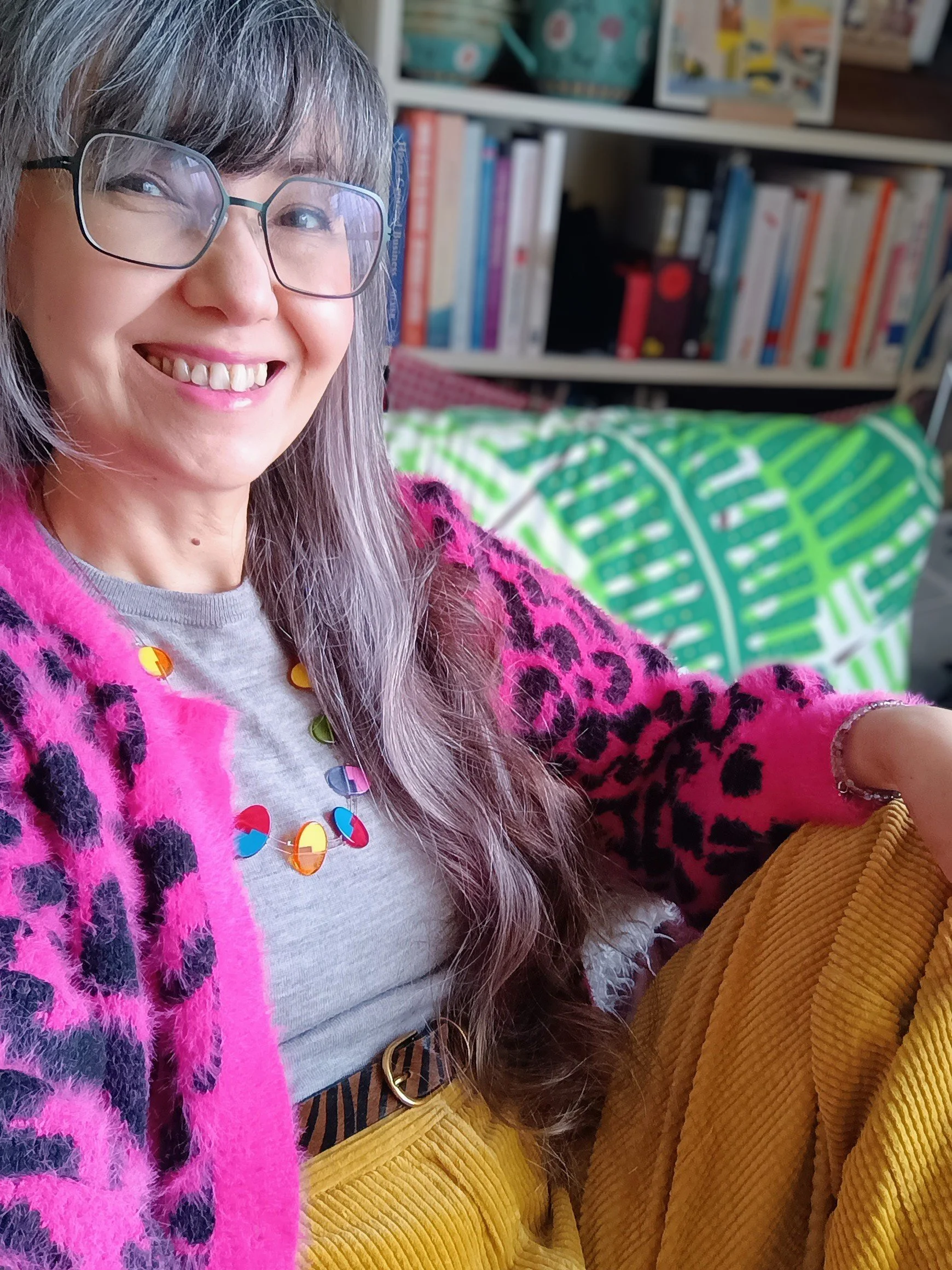
I now hold an MSc in Applied Positive Psychology, "the scientific study of what makes life worth living", and work as a practitioner-researcher, coach, and writer.
My primary focus is AI companionship: supporting helping professionals whose clients are navigating these relationships and individuals who may be carrying the experience largely alone.
I also work with sensitive and neurodivergent people on soft productivity, and with heart-led practitioners and creatives who know they should be sending newsletters but can't quite press the button.
The thread through all of it is the same one that's run through my whole life, really. It’s a curiosity about what it means to be human and a deeply felt sense that our most tender places deserve the most careful and compassionate attention.
Studies, inspiration, and work
I'm such a nerdy magpie. If it touches on why humans do what they do, I've probably read something about it. Here's what's found its way into how I work:
I have an MSc in Applied Positive Psychology, and I draw from studies and training in:
Acceptance and Commitment Training
Authentic Relating
Attachment Theory
Autism and ADHD
Counselling
Emotional Freedom Technique
Polyvagal Theory
Positive Psychology
Self-Compassion
The Three Principles
I was previously a shortlisted scriptwriter for the BBC and Channel 4 and a theatre critic.
I moved into blogging and copywriting and I was selected by Hay House for their inaugural Diverse Wisdom author development initiative in 2018.
For 3 years I was the Head of Positive Psychology and co-facilitator for the Museum of Happiness’s Certified Happiness Facilitator Training.
I have developed my own polyvagal model, written about positive psychology for the training company Haptivate, created and delivered workshops, and hosted my own positive psychology podcast, The A-Z of Happiness.
I have been an associate at The Neurodiversity Education Academy, where I was lead author of the upcoming What’s Alive in You toolkit, and am a community head at The Happy Startup School.
“Oh my god. Where to begin?
You are a gift, as a human being. Exceptional at recalling relevant and helpful resources based on a few words. You seem to have boundless support for people in such an unselfish way as to put us all to shame.
You’re kind, funny, patient, sharp, unafraid to be vulnerable and yet with a knowledge of your own capacity.
You lead with empathy. You’re the kind of person with whom someone can share something shameful or painful, and be met with kindness and compassion, rather than judgement.
This is starting to read like an obituary. Shit.
Your smiley demeanour hides — I can only imagine — the beating heart of a warrior. You use your considerable powers for good, which I’m thankful for, although I don’t decide whether you’re Lawful Good or Chaotic Good. My gut says the latter.
I feel like we owe the universe something just for your existence. I’ll shout it a pint the next time I see it.”
— Mark Steadman, podcast producer for subject-matter experts